
Cracked Grout Is a Symptom, Not the Problem
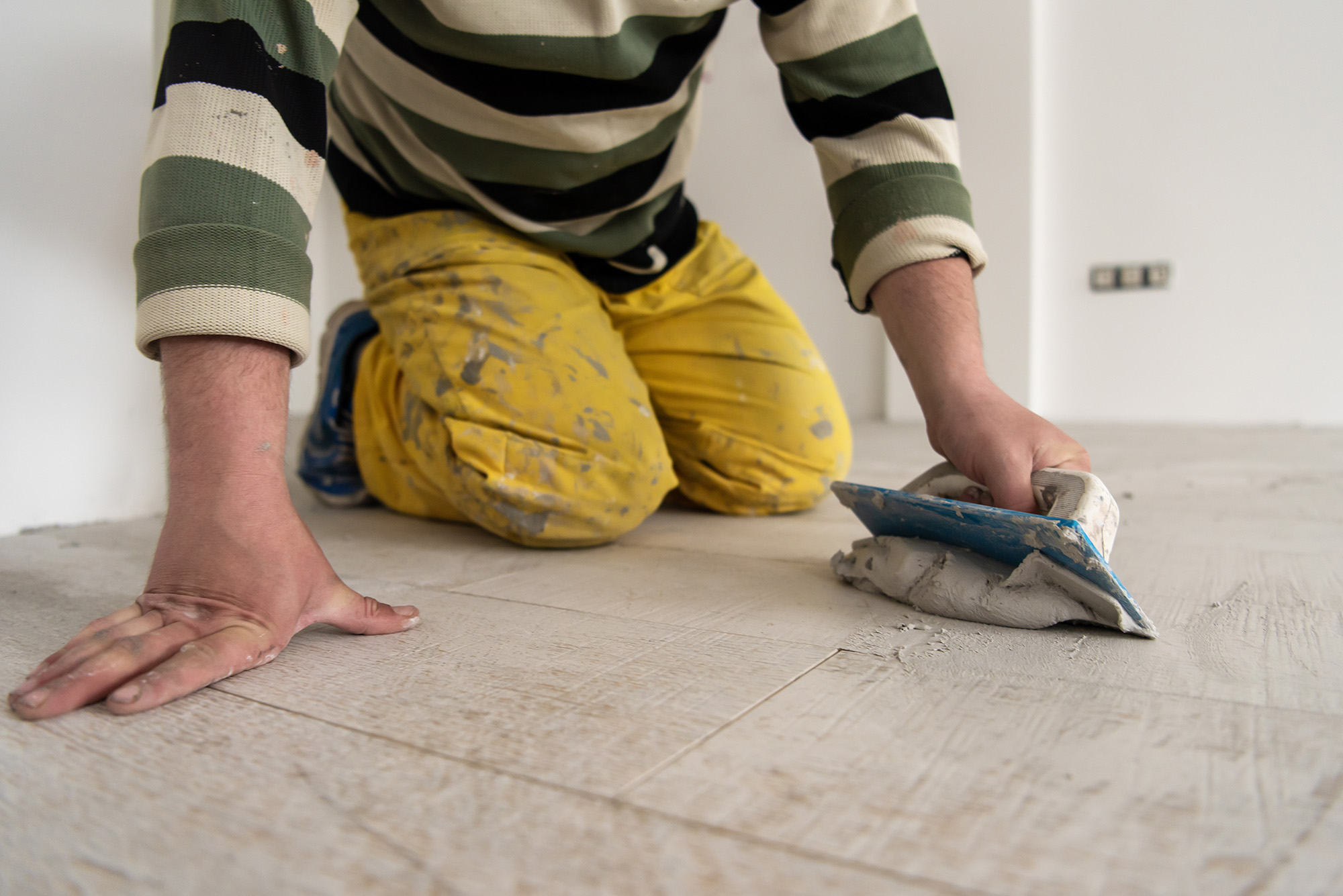
Have you ever paid to regrout a tile floor, only to watch the same thin cracks return a season or two later?
For more than thirty years, DeGraaf Interiors has helped homeowners across Grand Rapids, Hudsonville, Ada, and the surrounding West Michigan communities make confident decisions about their floors. In that time, we have seen the same pattern play out in kitchens, bathrooms, entryways, and basements again and again. Grout cracks, someone fills it back in, and a few months later the crack reappears in the same spot. It looks like a grout problem. Most of the time, it is not.
West Michigan homes give grout plenty of reasons to move. Newer Hudsonville neighborhoods lean toward open-concept layouts with long, uninterrupted tile runs, while established older homes often have subfloors that have shifted and settled over decades. Add in finished and walkout basements built over concrete, big seasonal humidity swings, and the deep cold of a Michigan winter, and you have an environment where materials expand, contract, and flex throughout the year. When something underneath the tile moves, the grout is usually the first thing to show it.
That is the idea worth holding onto. Cracked grout is a symptom, not the problem. If you only address the crack and ignore what caused it, you are signing up to do the same repair over and over. Understanding what the crack is telling you is the first step toward a fix that actually lasts.
Quick Summary
Cracked grout is almost always a sign of movement or a problem with the layers beneath your tile, not a flaw in the grout itself. Here is the short version:
- Grout is a filler between tiles, not a structural material, so it cracks when something under or around it moves.
- Common causes in West Michigan homes include subfloor flex, seasonal humidity and temperature swings, missing movement joints, and moisture in basements.
- Regrouting on its own treats the symptom, so the crack tends to return if the root cause is still there.
- A correct installation, with proper subfloor prep and movement joints, is what prevents cracked grout in the first place.
- If cracks keep coming back, it is worth having the installation assessed by an experienced professional rather than repeating the same repair.
What Cracked Grout is Actually Telling You
Grout is Filler, Not Structure
It helps to remember what grout is designed to do. Grout fills the joints between tiles, locks them into a consistent pattern, and keeps dirt and moisture out of the seams. What it does not do is hold your floor together or absorb movement. It is a rigid material sitting in a narrow gap, so when the surface beneath it flexes even slightly, the grout has nowhere to go and it fractures.
The Crack is a Message About Movement
A single hairline crack in one joint can be minor. A pattern of cracks along the same line, at doorways, across a large room, or where tile meets a wall or a tub, is a message. It usually means the tile assembly is moving more than it should. Filling the joint back in without addressing that movement is like painting over a water stain without fixing the leak. Learning more about proper tile care and maintenance can help you tell everyday wear apart from a deeper structural signal.
Common Reasons Grout Cracks in West Michigan Homes
Subfloor Movement and Deflection
The most frequent culprit is a subfloor that flexes under load. Tile and grout need a stiff, stable base. If the subfloor bounces when you walk across it, the tile assembly moves with it and the grout gives way. This is common in older homes with wood subfloors and in additions that were not built with tile in mind.
Seasonal Humidity and Temperature Swings
Michigan weather is hard on building materials. Humid summers and dry, cold winters cause wood framing and subfloors to expand and contract through the year. Over time, that seasonal movement works against rigid grout lines, especially in rooms with large tiled areas.
Missing or Ignored Movement Joints
Tile installations are supposed to include movement joints, which are small, flexible gaps placed at the perimeter of a room and at regular intervals across large spans. These joints give the floor room to expand and contract without stressing the grout. When they are left out or filled in with rigid grout, the pressure has to release somewhere, and it releases as cracks.
Basements, Slabs, and Moisture
Finished and walkout basements are popular across Hudsonville and the wider Grand Rapids area, and many of them have tile installed directly over a concrete slab. Concrete can crack and shift, and it can also pass moisture up into the installation. Both put stress on the grout above. Tile in a below-grade space needs the right preparation to account for these conditions.
The Wrong Grout or a Rushed Install
Sometimes the issue is the materials or the pace of the work. The wrong grout for the joint width, grout mixed too wet, or an installation rushed before layers had time to cure can all lead to early cracking. These are avoidable problems, and they are exactly what careful professional tile installation is meant to prevent.
Why Regrouting Alone Rarely Solves It
You Are Treating the Symptom
Regrouting can make a floor look fresh again, and there are cases where it is the right call. But if the tile is still moving, new grout will crack for the same reason the old grout did. You end up repeating the repair and paying for it more than once.
When Regrouting is Enough, and When It is Not
If the tile is solid, the subfloor is stable, and only the grout has worn cosmetically, a regrout can genuinely refresh the space. If the tiles feel loose, sound hollow when tapped, or the cracks keep returning after repair, the problem lives beneath the surface. That is the point to stop patching and look at the installation as a whole.
How a Proper Installation Prevents Cracked Grout
Subfloor Prep and the Right Base
A lasting tile floor starts long before the first tile goes down. The subfloor has to be stiff, level, and properly prepared, often with the right underlayment or backer board to create a stable surface. Getting this layer right is the single biggest factor in whether grout stays intact for years.
Movement Joints in the Right Places
A quality installation plans for movement rather than fighting it. Placing flexible joints at the perimeter and across large runs lets the floor expand and contract naturally, which keeps that stress off the grout lines. It is a detail homeowners rarely see, and it makes an enormous difference over time.
Matching Materials to the Room
A basement over concrete, a busy entryway, and a second-floor bathroom each ask for different choices in tile, setting materials, and preparation. Thinking through those details up front is part of what a design consultation is for, and it is worth reviewing what to know before you buy tile as you plan. Every installation we complete is also backed by our lifetime installation warranty, because we stand behind the work beneath the surface, not just the finish on top.
Signs It is Time to Call a Professional
A few patterns are worth taking seriously. If grout cracks return after you have already repaired them, if tiles feel loose or sound hollow, if cracks run in a long straight line across a room or gather at a doorway, or if you notice cracking paired with any sign of moisture, those are cues that the installation itself needs a closer look. A professional can identify whether you are dealing with a simple cosmetic fix or an underlying movement problem, and recommend the right path forward. You can request a measure or schedule an appointment to have your space assessed, and browsing the tile shower gallery can help you picture what a fresh, correctly installed space could look like.
About DeGraaf Interiors
Since 1993, DeGraaf Interiors has been a trusted, family-owned flooring company serving Grand Rapids, Hudsonville, Ada, and communities throughout West Michigan. You can visit us at our Hudsonville showroom or our Ada showroom, where our experienced team is glad to walk you through carpet, hardwood, laminate, vinyl, tile, area rugs, and countertops. As a BBB Accredited business since 2009 with an A+ rating, we hold ourselves to the BBB Standards for Trust and bring that same care and craftsmanship to every tile project. All of our installers are certified, so you can trust that the work beneath your tile is done right the first time.
Our flooring experts can help you understand what your floor is telling you and build a plan that lasts. Explore our ceramic tile options, read our customer reviews to see why West Michigan homeowners trust our team, and stop by whichever showroom is closest to you:
- Visit our Hudsonville showroom
- Visit our Ada showroom
Written by Pete Jacobus