
SPC vs. WPC Vinyl Flooring: How Subfloors and Temperature Affect Performance in West Michigan
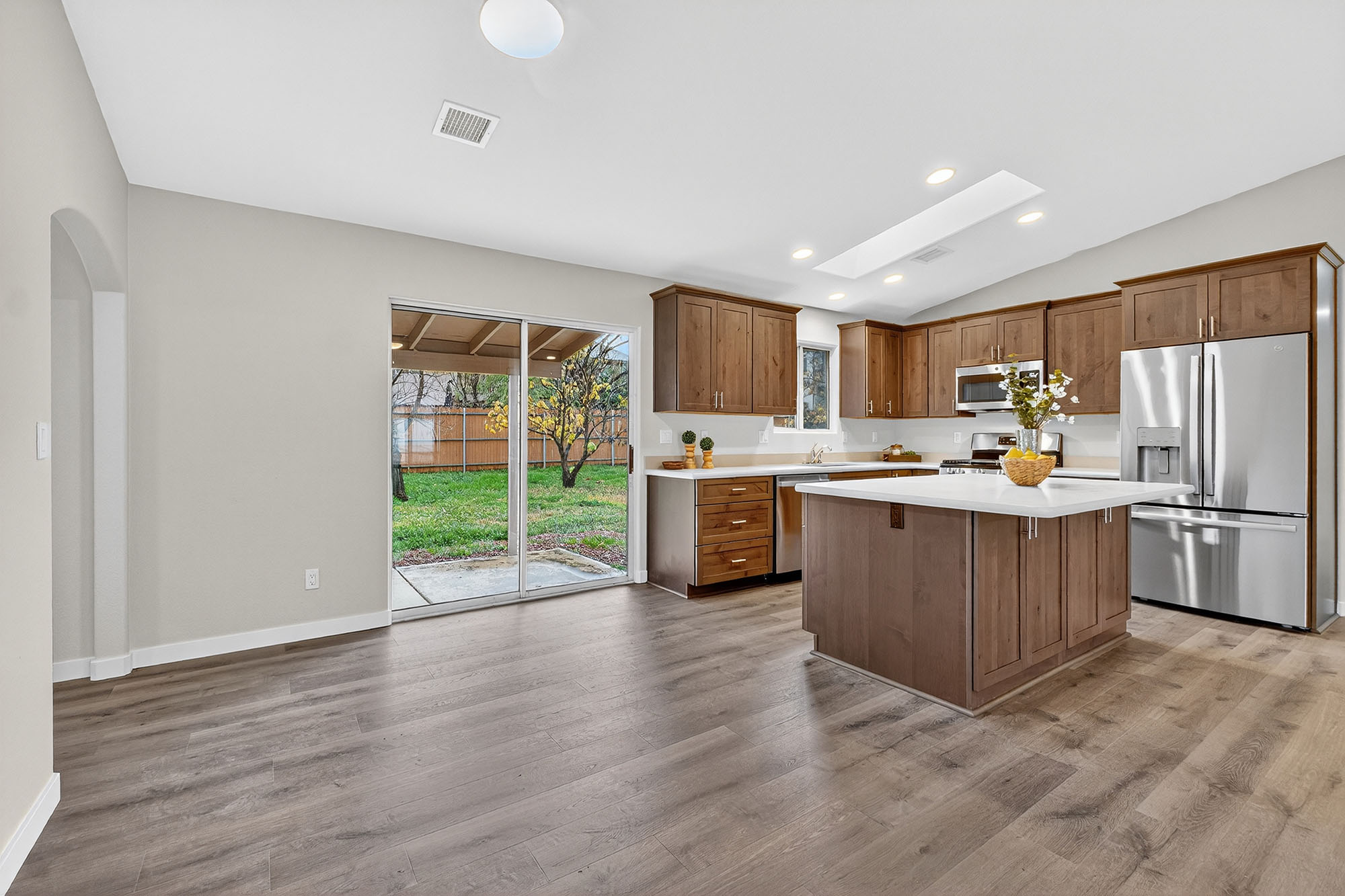
Choosing the right luxury vinyl flooring comes down to how well the core material responds to your subfloor conditions and indoor climate. Stone Plastic Composite (SPC) and Wood Plastic Composite (WPC) represent the two premier rigid-core vinyl categories on the market today. Both deliver 100 percent waterproof protection, but their internal engineering produces distinctly different results when exposed to shifting humidity, lake-effect freeze-and-thaw cycles, and concrete basement slabs. Understanding how each core interacts with your subfloor and indoor temperatures ensures your new floors look beautiful, feel comfortable, and perform flawlessly for decades.
Quick Comparison Summary:
- SPC Flooring: A dense limestone-composite core engineered for maximum dent resistance, extreme dimensional stability, and high-traffic areas subject to wide temperature swings.
- WPC Flooring: A foamed wood-polymer composite core engineered for superior underfoot cushion, acoustic sound absorption, and thermal insulation over cold subfloors.
What Is the Difference Between SPC and WPC Vinyl Flooring?
The primary difference between SPC and WPC vinyl flooring lies in the composition of their core layers. SPC features a dense limestone and polymer core that prioritizes structural rigidity and impact resistance, while WPC features a foamed wood-plastic composite core that emphasizes underfoot cushion, thermal warmth, and sound absorption.
Both flooring styles feature high-performance wear layers, realistic photographic visuals replicating natural hardwood or glazed tile, and completely waterproof surfaces. However, their density and overall thickness create distinct benefits for your living spaces:
- SPC (Stone Plastic Composite): The core blends natural limestone powder (calcium carbonate), polyvinyl chloride, and specialized stabilizers. This creates an ultra-dense, ultra-thin plank (typically 4 mm to 7 mm thick) that resists heavy point loads, pet claws, and denting from exercise equipment or heavy furniture.
- WPC (Wood Plastic Composite): The core blends recycled wood pulp, virgin polymers, and foaming agents. This creates microscopic air pockets inside a thicker plank (typically 6 mm to 12 mm thick) that gives you a softer, warmer, and significantly quieter walking surface.
How Do West Michigan Temperature Swings Affect Vinyl Flooring?
In Grand Rapids, MI, seasonal weather shifts test every building material in your home. Your floors must endure muggy, humid summer days followed by freezing winter months where lake-effect snow, slush, and dry forced-air heating create substantial shifts in interior moisture and temperature. Because heating systems pull moisture out of the air in the winter while summer humidity pushes moisture into your living areas, your choice of rigid core directly influences how flat and tight your floor remains over time.
SPC Flooring: Superior Dimensional Stability in Extreme Cold and Heat
If you want maximum protection against thermal expansion and contraction, SPC is the top-performing choice for your home.
- Minimal Plank Movement: The high concentration of stone powder in SPC makes it virtually inert to temperature fluctuations. It expands and contracts at a negligible rate compared to standard flexible luxury vinyl or traditional solid hardwood.
- Ideal for Sunrooms and Entryways: When sub-zero temperatures sweep across Grand Rapids, Hudsonville, and Ada, exterior doors open to blast entryways with icy wind, snow, and slush. SPC handles localized cold zones without buckling, curling, or separating at the click-lock seams.
- Sunlight and Solar Heat Tolerance: In spaces with large south-facing picture windows or three-season sunrooms that experience intense solar heat gain, SPC resists softening and warping under concentrated UV exposure and high ambient temperatures.
WPC Flooring: Comfort and Thermal Insulation for Chilly Winters
While WPC offers strong dimensional stability compared to standard glue-down vinyl, its foamed structure behaves differently during regional winter seasons:
- Noticeable Warmth Underfoot: The aerated core acts as a natural insulator. When outdoor temperatures drop well below freezing, stepping onto a WPC floor barefoot feels noticeably warmer and gentler than stepping onto cold tile, concrete, or standard stone composite planks.
- Expansion Gap Requirements: Because WPC contains foaming agents and wood derivatives, it expands and contracts slightly more than SPC when indoor humidity swings from a humid July to a dry January. Leaving adequate expansion gaps along your baseboards and door casings during installation is essential so your planks have room to adjust naturally.
How Does Your Subfloor Influence SPC vs. WPC Performance?
Your subfloor condition is the single most critical factor determining whether you should install SPC or WPC luxury vinyl. Even the most durable click-lock plank will fail prematurely if the subfloor beneath it has unaddressed dips, crowns, or moisture transmission.
Subfloor Suitability at a Glance:
Concrete Basement Slabs: SPC offers exceptional bridging strength against surface imperfections, while WPC provides necessary warmth against cold concrete. Both require proper leveling and an essential 6-mil poly moisture barrier.
Plywood or OSB Upper Levels: SPC provides high dent resistance against active pets and heavy furniture, while WPC delivers unmatched footstep dampening and standing comfort across busy family rooms and bedrooms.
Concrete Subfloors and Basement Installations
Finishing a basement is one of the most rewarding home improvement projects you can take on in Grand Rapids, MI, Hudsonville, and Ada. However, below-grade concrete slabs present two continuous challenges: moisture vapor and uneven surfaces.
- Bridging Slab Imperfections: Concrete slabs frequently feature trowel marks, minor dips, and settling cracks. Because SPC is rigid and dense, it bridges minor subfloor imperfections without telegraphing (conforming to the contour beneath it). However, your subfloor must still be leveled to within strict manufacturer tolerances (typically 3/16 inch over a 10-foot radius) to prevent click-lock tongues and grooves from cracking under daily foot traffic.
- Insulating Against Cold Concrete: Cold concrete draws heat directly away from your feet. While SPC handles potential dampness with ease, it will feel firm and cool to the touch without an attached acoustic underlayment. WPC, by contrast, creates an effective thermal buffer that turns a chilly basement floor into a cozy, welcoming living environment.
- Moisture Vapor Management: Regardless of whether you select SPC or WPC, both products are completely impervious to topical spills and standing water. For below-grade concrete, our team always recommends installing a 6-mil polyethylene moisture barrier beneath your floor to prevent hydrostatic slab vapor from accumulating beneath your locking mechanisms.
Plywood Subfloors and Upper-Level Living Areas
For main-level living areas, open kitchens, and second-floor bedrooms built over standard plywood or OSB subfloors, your focus shifts toward acoustic control and walking ergonomics.
- Sound Transmission and Footstep Noise: If you have an active home with kids and pets running upstairs, WPC absorbs footsteps and pet claw clicks far better than thinner SPC options. The foamed core dampens hollow echoes and reduces sound transfer to the living rooms below.
- Standing Comfort in Kitchens: If you spend hours cooking and entertaining, WPC provides subtle cushioning that helps relieve fatigue in your feet, knees, and lower back. SPC feels solid and firm underfoot, similar to traditional ceramic tile or solid hardwood.
SPC or WPC: Which Luxury Vinyl Floor Should You Choose?
Both rigid-core options deliver outstanding longevity, but matching your floor to your daily routine ensures you get the best performance from your investment.
Choose SPC Rigid Core Vinyl If:
- You are outfitting high-traffic mudrooms, entryways, or laundry rooms that catch wet winter boots and abrasive road salt.
- You share your home with large dogs whose claws could press into softer core materials.
- You have heavy furniture, pool tables, or home gym equipment that could cause pressure indentations.
- Your space features large south-facing windows, three-season sunrooms, or variable heating schedules.
Choose WPC Luxury Vinyl If:
- You prioritize softness and warmth underfoot in bedrooms, living rooms, and finished basements.
- You want superior acoustic insulation to keep second-story playrooms, hallways, and home offices quiet.
- You spend extensive time standing while preparing meals in your kitchen.
- You prefer thicker planks that transition smoothly to adjacent carpets or thick tile floors.
Professional Subfloor Prep and Certified Installation in West Michigan
No luxury vinyl floor can outperform the subfloor beneath it. At DeGraaf Interiors, our certified installation specialists evaluate, grind, patch, and level your subfloor before laying a single plank. From testing moisture vapor emissions on your concrete slab to maintaining strict expansion gaps around every wall and door casing, our team handles every step with precision. We carry premier collections from trusted industry leaders, including COREtec, Shaw, Mohawk, Mannington, and Canopy Flooring, helping you balance design, comfort, and budget. When your installation is finished, we even vacuum your space so your new floors are completely guest-ready the moment we walk out the door.
Ready to discover the ideal waterproof flooring for your home? Stop by either of our design showrooms in Hudsonville or Ada, or schedule your free in-home measurement today. Our team at DeGraaf Interiors proudly serves you across Grand Rapids, Hudsonville, Ada, and all of West Michigan.
Written by Pete Jacobus