
Porcelain or Ceramic Tile: How to Tell Them Apart
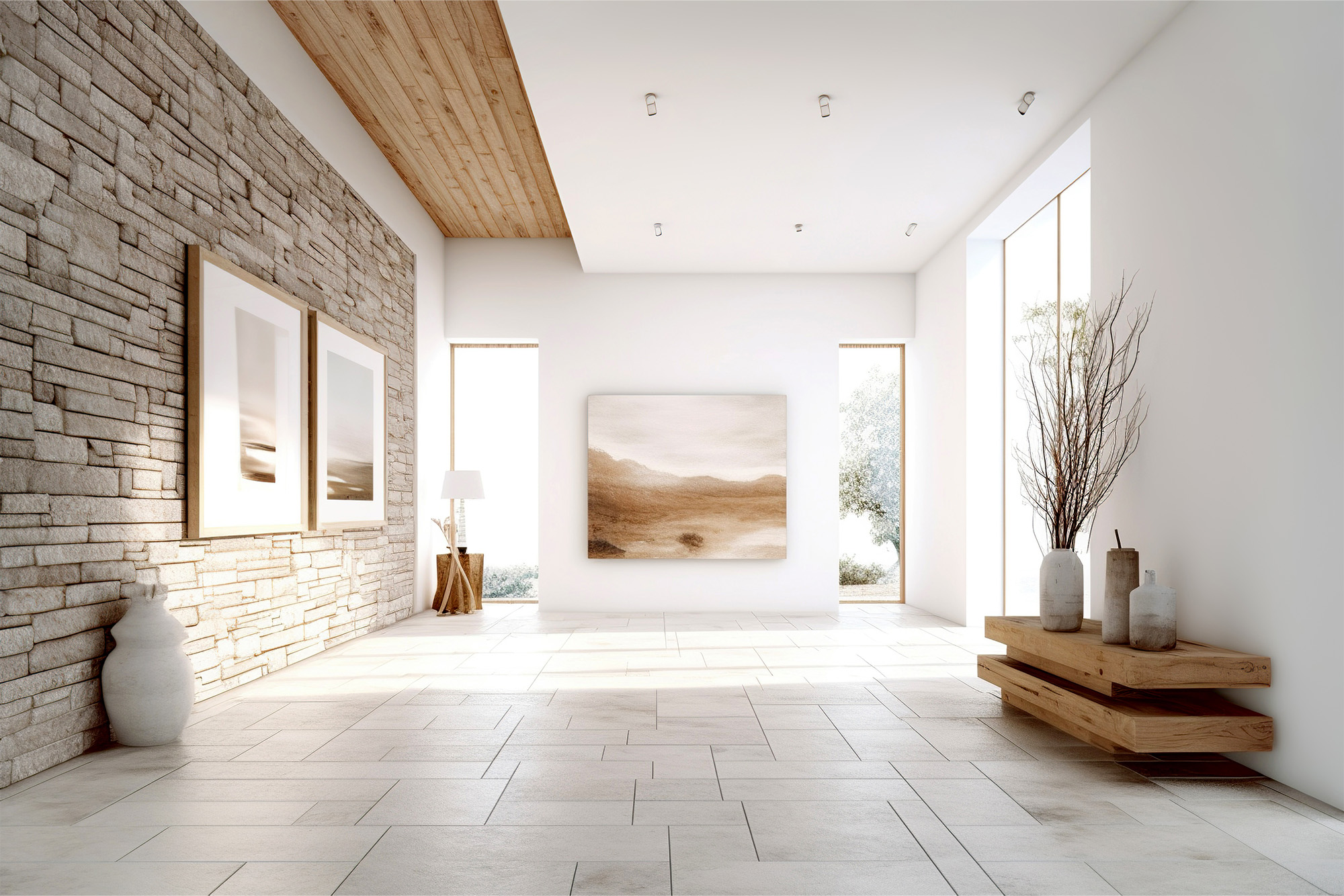
Ever picked up two tile samples that looked nearly identical and wondered which one was porcelain and which was ceramic?
It happens all the time. On a showroom shelf, the two can look almost the same, and the label does not always make the difference obvious. Yet porcelain and ceramic are not the same product. They are made from different clay, fired at different temperatures, and they hold up differently once they are on your floor or wall.
The distinction matters because it affects where each tile works best, how much moisture it can handle, and how long it lasts in a busy space. A tile that is perfect for a guest bathroom wall may not be the right choice for a mudroom floor or a covered patio.
The good news is that you do not need to be an expert to tell them apart. A few simple checks, some in the showroom and a couple you can do at home, will point you in the right direction. Here is how to read the signs.
What Porcelain and Ceramic Tile Have in Common
Both porcelain and ceramic start as clay that is shaped, glazed, and fired in a kiln. Both come in a wide range of colors, sizes, and finishes, including options that mimic wood, stone, and concrete. Because they share so much, they are often grouped together and sold side by side.
That shared background is exactly why they are easy to mix up. The real differences come down to what happens during manufacturing.
The Main Difference Between Porcelain and Ceramic
Porcelain is technically a type of ceramic, but it is made from finer, denser clay and fired at a higher temperature. That process creates a harder, less porous tile. Standard ceramic uses a coarser clay and fires at a lower heat, which leaves it a little softer and more absorbent.
Two measurements capture most of the difference: water absorption and density.
Water Absorption
Water absorption is the clearest dividing line. To be labeled porcelain, a tile must absorb 0.5 percent of its weight in water or less. Ceramic tile absorbs more, which makes it a better fit for dry indoor walls and floors than for wet or freezing conditions.
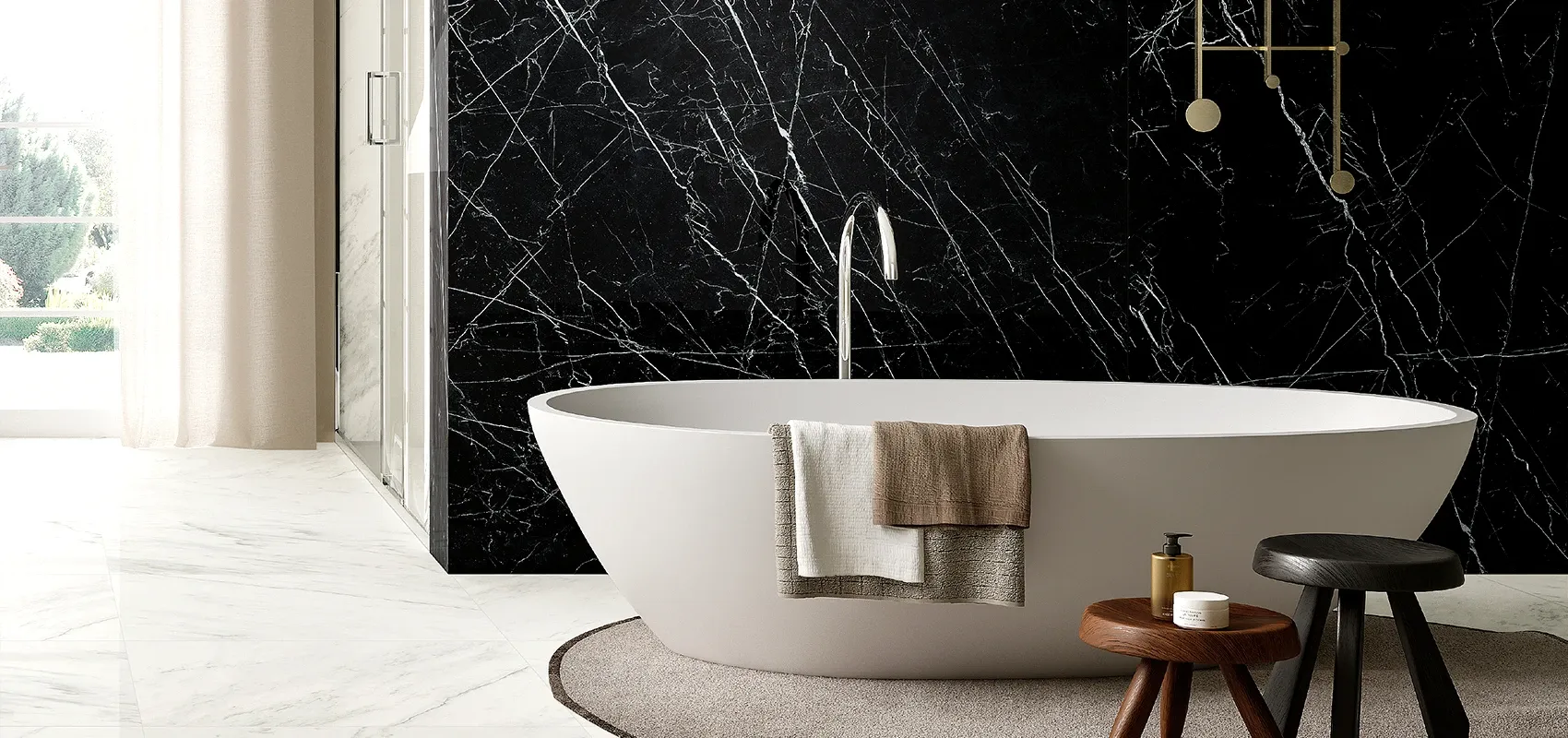
That low absorption rate is why porcelain handles bathrooms, entryways, and outdoor spaces so well. It resists moisture that would slowly work its way into a more porous tile.
Density and Durability
Because porcelain is fired denser, it is harder and more resistant to chips, scratches, and heavy foot traffic. Ceramic is still durable and holds up well in most rooms, but it is a bit softer, which also makes it easier to cut and install.
How to Tell Porcelain and Ceramic Apart
Once you know what to look for, spotting the difference is fairly straightforward. Here are the checks worth making before you buy.
Check the Edge or Unglazed Underside
Turn the tile over or look at a cut edge. Ceramic tile often has a colored body, usually red, tan, or brown, under its glaze. Porcelain is more likely to have a consistent color that runs through the whole tile. This through-body construction is also why a chip in porcelain tends to be less noticeable.
This is a strong hint rather than a guarantee, since some porcelain and ceramic both use light-colored clay, but it is one of the quickest checks you can make.
Look at Water Absorption
Place a few drops of water on the unglazed back of the tile and watch what happens. If the water soaks in and darkens the clay within a few minutes, you are likely holding ceramic. If it beads up and sits on the surface, that points to porcelain.
Feel the Weight
Pick up two similar-sized tiles and compare. Porcelain is denser, so it usually feels heavier than a ceramic tile of the same dimensions. It is a subtle test, but a useful one when you have both in hand.
Look for a Certification Mark
Reputable porcelain is often certified by the Porcelain Tile Certification Agency. A tile carrying that mark has been tested and confirmed to meet the 0.5 percent absorption standard. If a sample is labeled porcelain but offers no supporting details, it is worth asking about.
Compare the Price
Porcelain generally costs more than ceramic because of the denser clay and higher firing temperature. Price alone will not confirm which is which, but a noticeable gap between two similar tiles can be a clue.
Which Tile Is Right for Your Space
Telling them apart is only half the decision. The better question is which one suits the room you have in mind.
When Porcelain Makes Sense
Porcelain is the stronger choice for high-moisture and high-traffic areas. Think bathrooms, kitchens, entryways, laundry rooms, and covered outdoor spaces. Its density and low water absorption help it stand up to spills, humidity, and steady use.
When Ceramic Makes Sense
Ceramic is a practical, cost-conscious option for indoor walls and lighter-traffic floors. It is a popular pick for a tile backsplash, a fireplace surround, or a bathroom wall where heavy wear is not a concern.
See Tile Options in Person
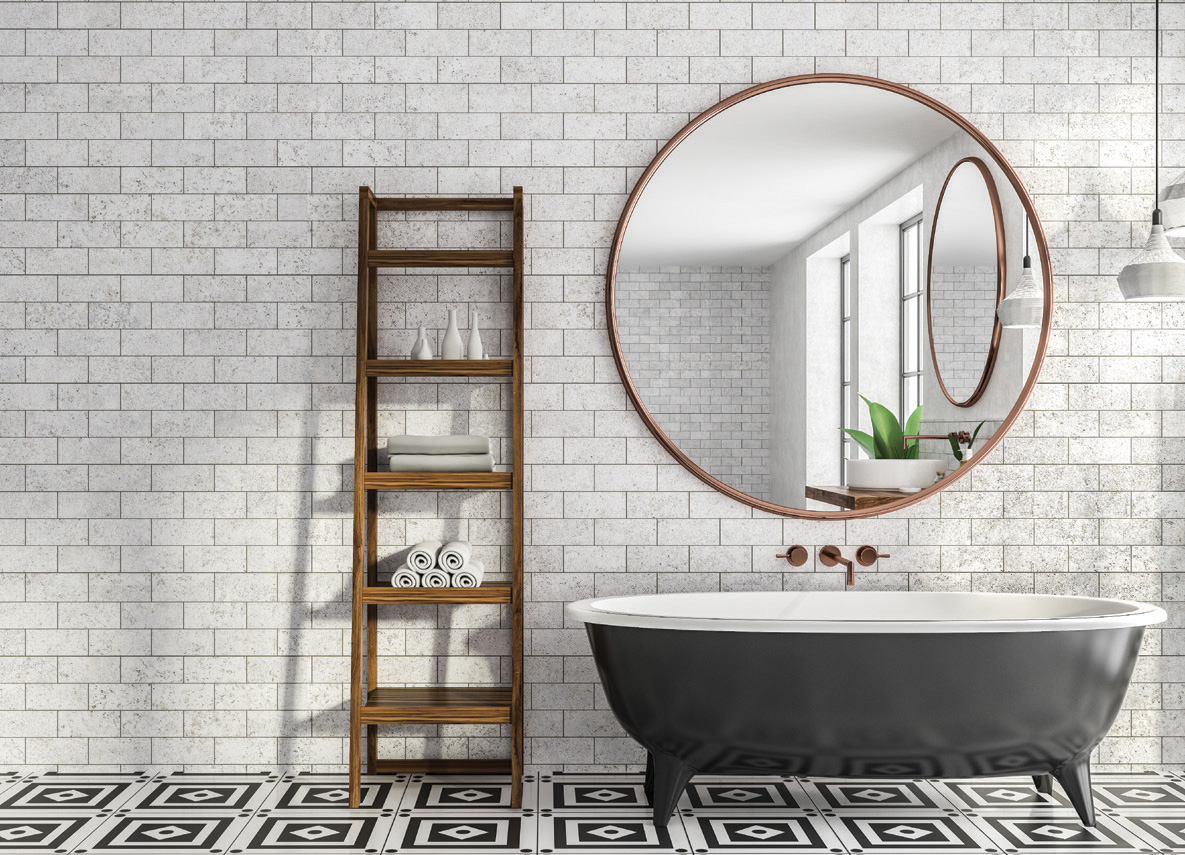
Photos and spec sheets only tell you so much. Handling tile in person is the best way to understand how a color, finish, and texture will feel in your home. You can browse tile flooring and shower tile ideas in our galleries, then explore the full range of ceramic and porcelain tile we carry. If you want to compare finishes at home, you can request a sample before you decide.
For more on planning ahead, the before you buy guide covers what to consider before installation.
About DeGraaf Interiors
DeGraaf Interiors has been a family-owned flooring company serving West Michigan since 1993. From showrooms in Ada and Hudsonville, we help homeowners across Grand Rapids and the surrounding areas choose flooring and countertops with confidence. Alongside ceramic and porcelain tile, we carry carpet, hardwood, laminate, vinyl, area rugs, and countertops, with certified installers handling every project from start to finish. Whether you are updating a single room or planning a full remodel, our flooring experts are here to guide the process.
Find the Right Tile With DeGraaf Interiors
If you are weighing porcelain against ceramic for an upcoming project, we can help you compare them side by side and match the right tile to your space. Book a design consultation to talk through your options with our team, and see why homeowners across West Michigan trust us by reading their customer reviews.
Written by Deb DeGraaf