
Grout Joints, Colors, and Sealing Are the Part of Tile Most People Get Wrong
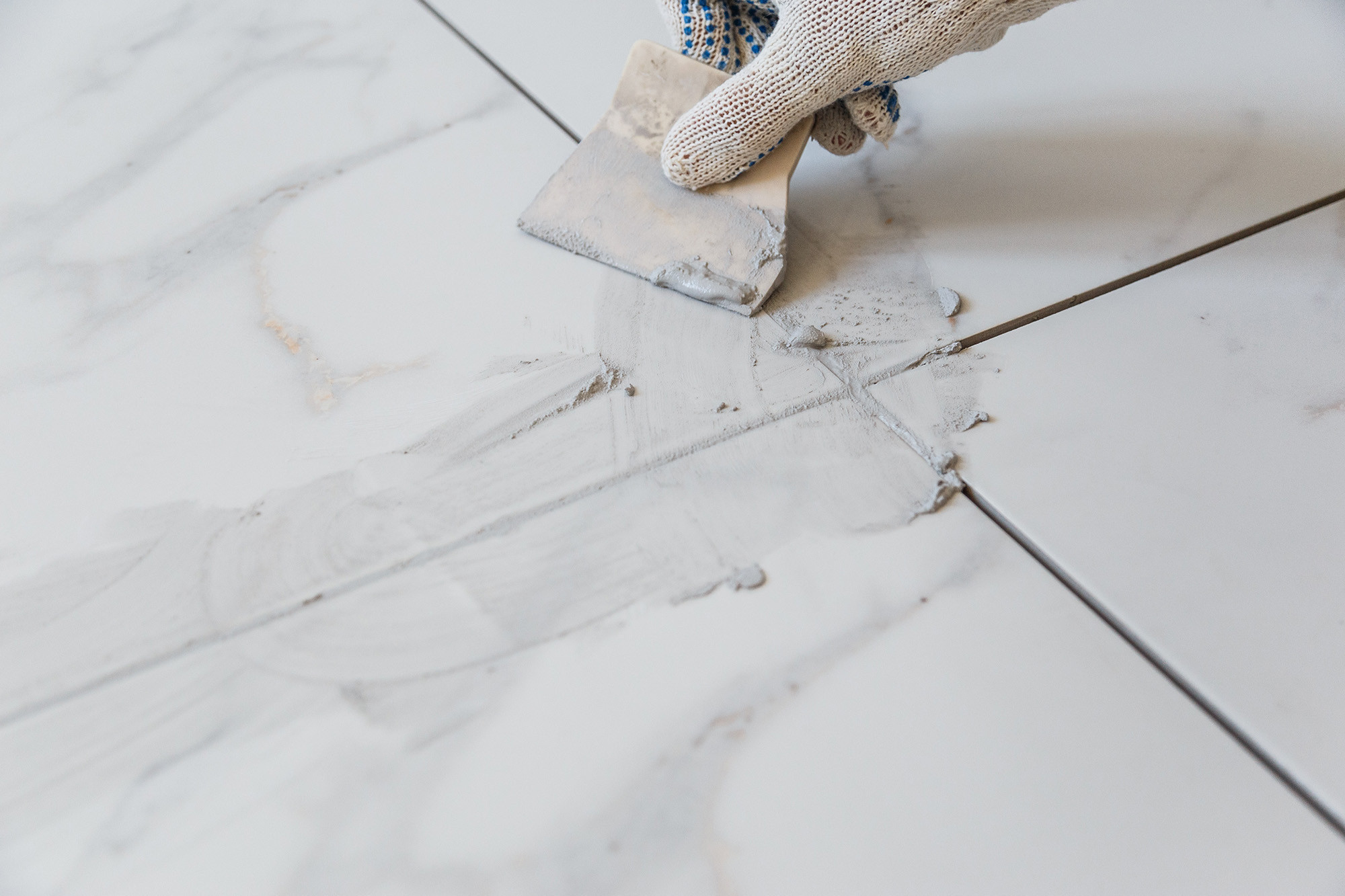
Most people fall in love with a tile sample and never give the spaces between the tiles a second thought. Yet anyone who has lived with a tiled floor or backsplash for a few years knows the truth. The grout is what you notice first when something looks off, and it quietly shapes how finished the whole installation feels.
Why Grout Quietly Decides How Your Tile Looks
Grout does more than fill the gaps between pieces of ceramic tile. It frames each piece, sets the visual rhythm of a pattern, and protects the edges from moisture and everyday movement. In many ways, it is the unsung partner that lets the tile do its job.
When the joints, the color, and the sealing are all handled with care, your tile looks intentional and complete. When any one of them is rushed, even beautiful tile can begin to feel a little unfinished. These three details are also the ones homeowners tend to overlook until the project is already done.
Grout Joints Set The Rhythm Of The Whole Room
Joint width is one of the first decisions, and it changes far more than most homeowners expect. Narrow joints create a sleek, continuous look that suits modern spaces. Wider joints lend a relaxed, handmade feel and can be more forgiving with tiles that vary slightly in size.
Consistency matters even more than width. Lines that wander or vary in thickness pull the eye straight to the flaw, no matter how lovely the tile is. Spacing also needs to suit the specific tile and surface, since a shower wall and an entryway floor ask for different approaches. This is one of the clearest reasons that careful, professional tile installation tends to prove its worth over the years.
Choosing A Grout Color That Works With The Room
Color may be the most underrated choice in the whole process. A grout shade close to the tile creates a calm, seamless surface that lets the material itself shine. This is a lovely option when you want the floor or wall to feel like one continuous expanse.
A contrasting color does the opposite, turning each tile into a defined shape and making patterns like herringbone or hexagons truly pop. Lighter grout can show traffic more readily in busy spaces, while mid-tone shades tend to age gracefully and stay looking fresh. It also helps to view samples in the actual room, since lighting can shift how a shade reads from morning to evening.
There is no single right answer here, only the choice that fits how you live and what you want the room to say.
Sealing Is The Step That Protects Everything Else
Sealing is the part people forget, and it is often the difference between grout that stays crisp and grout that stains over time. Most cementitious grout is porous, so it soaks up spills, grease, and grime unless it has protection. A good sealer keeps moisture on the surface where you can wipe it away.
Fresh grout usually needs time to cure before a sealer goes on, commonly around four weeks, and a penetrating sealer then guards against everyday stains. After that, a little routine attention keeps everything looking its best, which is where thoughtful tile care and maintenance truly pays off. Reapplying sealer every year or two, depending on the product and the foot traffic, keeps your tile looking close to the day it was first installed.
Where These Small Choices Show Up Later
The funny thing about grout is that its impact often arrives quietly, months after the installer has packed up. A joint that was a touch too wide, a color that looked perfect in the store but reads differently at home, or a sealer that was skipped can all reveal themselves over a single season.
Thinking through these three details together, rather than one at a time, is what keeps a tiled space looking right for the long haul. When the joints, the color, and the sealing all support the same vision, the result feels effortless, which is exactly the point.
Let’s Plan Tile That Looks Right For Years
We at DeGraaf Interiors have spent more than three decades helping homeowners across Grand Rapids, Hudsonville, and the surrounding West Michigan area make confident tile choices. That same commitment to doing things right is reflected in our A+ rating with the Better Business Bureau, an accreditation we are proud to stand behind. If you are weighing joint widths, grout colors, or the right sealing plan, our team would love to help you think it through during a design consultation. Together we can make sure every detail feels right long after the last tile is set.
Written by Dean DeGraaf