
Honey Oak vs. Walnut vs. Hickory: A Homeowner’s Guide to Warm-Tone Hardwood
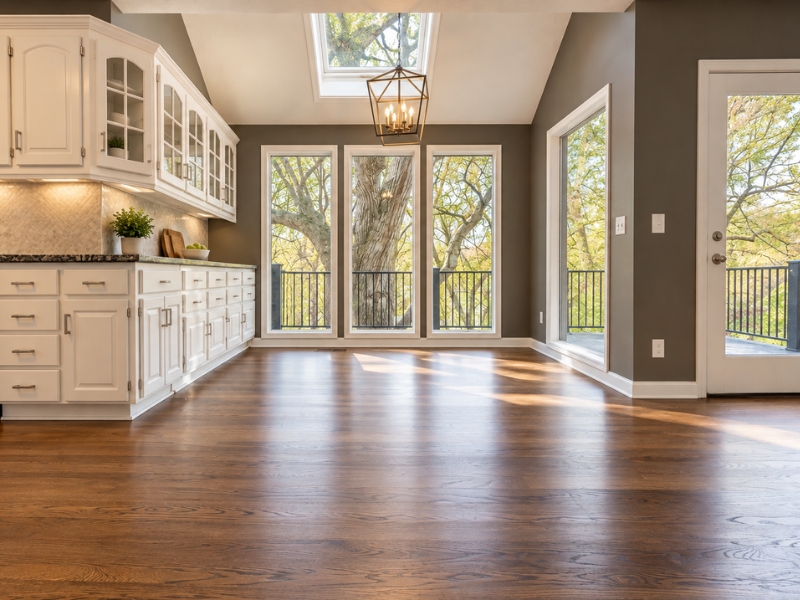
Hardwood floors bring warmth, depth, and organic character to living spaces across Grand Rapids, MI. Golden undertones, deep auburn shades, and honey-glazed amber hues create welcoming interiors that soften modern architecture or complement traditional trim. Your choice of species sets the foundation for your daily routine, furniture palette, and home performance across every season.
Each hardwood species offers distinct traits in grain movement, structural hardness, and ambient color shifts. Honey oak delivers familiar comfort with historic roots, walnut introduces refined richness, and hickory brings vibrant visual energy with unmatched physical strength. A side-by-side comparison helps you choose the perfect fit for your living areas, kitchen updates, and high-traffic zones.
At a Glance
- Honey oak: Classic golden glow, prominent cathedral graining, dependable durability, and strong budget value.
- American walnut: Deep chocolate and amber hues, flowing grain, quiet luxury, but a softer surface best suited for low-traffic retreats.
- Hickory: Bold multi-toned board variations, heavy grain swirls, exceptional impact resistance, and maximum durability for active households.
Honey Oak Hardwood: Timeless Warmth and Traditional Charm
Honey oak provides an iconic American aesthetic, defined by prominent grain arches, golden straw undertones, and reliable stability. Modern milling updates this classic wood through wider planks, matte finishes, and balanced stain formulations that eliminate orange glare while retaining comforting amber warmth.
Grain Structure and Visual Tone
Red and white oak boards feature porous grain bands that absorb honey-toned stains deeply. The surface highlights wide cathedral arches and straight grain lines that give rooms architectural substance. That bold pattern naturally conceals minor surface dust, scuffs, and daily family footprints, making it a low-stress foundation for living rooms and busy hallways.
Durability and Lifestyle Compatibility
Oak registers between 1,290 and 1,360 on the Janka hardness scale. This medium-high density handles pet traffic, winter boots, and dropped household items with minimal denting. Oak accepts refinishing smoothly down the road, allowing you to sand down planks and change color tones if your design preferences evolve.
Ideal Spaces and Styling Pairings
Honey oak balances creamy off-white cabinetry, matte black metal hardware, brushed brass lighting, and crisp natural linen upholstery. Planks complement classic layouts as well as renovated Craftsman bungalows in Grand Rapids and Walker. Quality hardwood flooring in warm oak brings balanced illumination into rooms with modest natural daylight.
American Walnut: Sophisticated Depth and Flowing Elegance
American walnut stands apart with its velvety visual texture, rich espresso-to-honey depth, and understated luxury. Homeowners who want warm undertones without heavy yellow or golden casts often gravitate toward walnut for primary bedrooms, quiet dining areas, and private dens.
Color Variation and Organic Movement
Walnut features natural colors ranging from lighter honey-toned sapwood to deep mocha heartwood. The wood showcases softer, swirling ribbon grain and subtle mineral streaks that flow across broad floorboards. Over years of sun exposure, walnut undergoes a natural patina process, gently lightening from dark cocoa to warm golden amber.
Hardness and Surface Protection
Walnut rates at 1,010 on the Janka hardness scale, making it noticeably softer than oak and hickory. Planks will dent if subjected to heavy impact, unprotected furniture legs, or large dog claws. Walnut floors need protective felt pads under furniture legs, area rugs beneath high-activity dining tables, and regular removal of abrasive grit tracked in during winter months.
Architectural Match and Interior Layouts
Walnut shines in contemporary open layouts, quiet executive studies, and formal master suites. The dark amber tones pair handsomely with neutral wall colors, charcoal accents, natural stone fireplace surrounds, and soft ivory wool textiles. Placing custom area rugs over walnut centers your seating area while shielding the softer wood grain underneath.
Hickory Hardwood: High-Contrast Character and Rugged Strength
Hickory provides remarkable character and extreme hardness. With dramatic contrast between pale cream sapwood and dark golden-brown heartwood, no two hickory planks look alike. The resulting aesthetic feels vibrant, organic, and grounded.
Natural Color Variations and Grain Texture
Hickory displays heavy grain variation, tight curls, knots, and striking color transitions across single boards. When finished with a warm honey or caramel glaze, hickory produces an active visual tapestry that energizes large open-concept great rooms. These pronounced variations easily camouflage dirt, pet hair, and surface abrasions.
Superior Impact Resistance
Scoring an impressive 1,820 on the Janka scale, hickory is one of the hardest domestic wood species available for residential construction. It resists dents from dropped heavy objects, sports gear, and active pets. Because dense hickory wood fibers respond quickly to swings between dry winter heating and humid summer weather, choosing engineered hardwood flooring offers superior structural dimensional stability across seasonal climate shifts in West Michigan.
Perfect Home Settings
Hickory belongs in active, high-traffic homes in Hudsonville, Jenison, and Rockford where durability is essential. The species pairs well with rustic modern farmhouse decor, exposed wood ceiling beams, warm bronze plumbing fixtures, and textured stone countertops. It anchors expansive spaces without looking sterile or manufactured.
Comparison Guidelines for Daily Life
Balancing your aesthetic preferences with household activity ensures your new floor looks beautiful and performs reliably for decades.
- Household foot traffic: Choose hickory for energetic dogs, children, and boots. Choose oak for standard family life. Reserve walnut for low-impact retreats.
- Room scale and natural light: Honey oak amplifies sunlight in narrow rooms. Walnut grounds large, high-ceiling spaces with intimate luxury. Hickory adds texture across vast, open floor plans.
- Maintenance expectations: Oak and hickory conceal everyday debris effortlessly. Walnut needs mindful dusting and consistent surface protection to prevent scratches.
- Structural climate performance: Michigan winters bring dry indoor heat that shrinks solid hardwood. Engineered planks across all three species maintain tight seams and flat surfaces across seasonal transitions.
Visit DeGraaf Interiors
Selecting the right warm-tone hardwood involves feeling surface textures and viewing species variations under natural lighting conditions. A personalized professional design consultation lets you evaluate oak, walnut, and hickory samples directly alongside your design vision. Stop by our showrooms in Ada and Hudsonville to compare grain patterns and find the ideal hardwood for your home.