
Solid or Engineered Hardwood: Which Suits Your Home
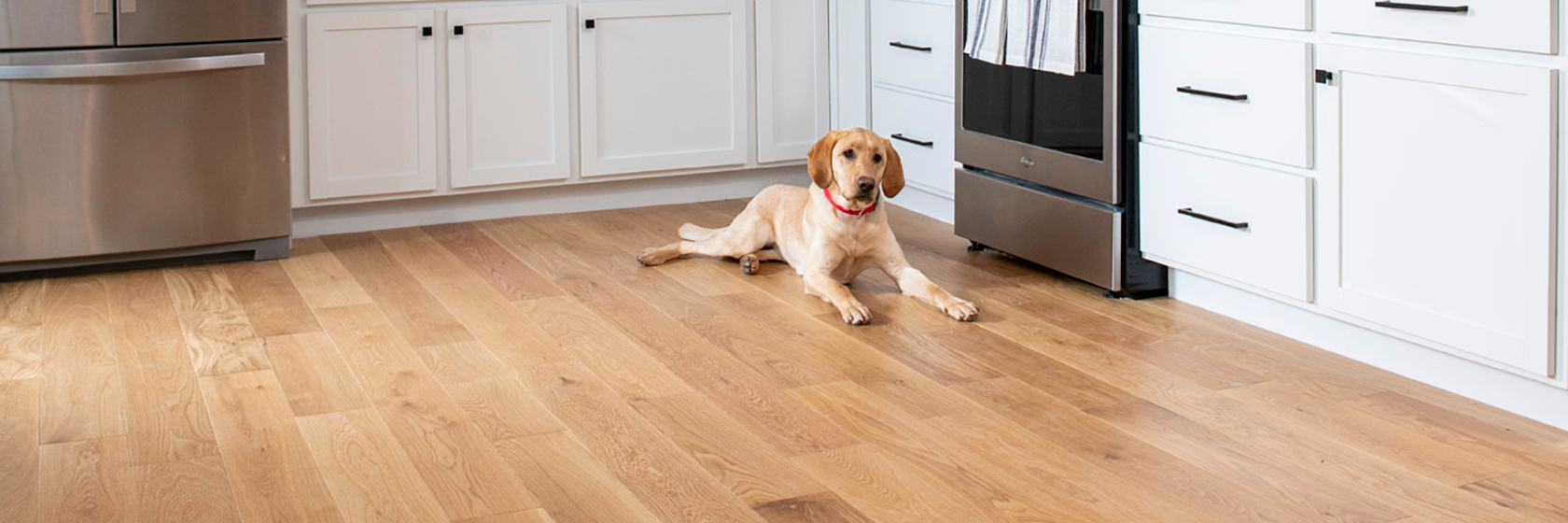
Natural hardwood floors bring unmatched character, organic warmth, and lasting value to any living space. Hardwood remains a premier design choice for residential interiors across West Michigan, from historic properties in Grand Rapids and Forest Hills to contemporary builds in Hudsonville. Selecting the right construction style involves balancing natural aesthetics against daily foot traffic, room locations, and seasonal climate swings. Both solid wood and engineered planks feature genuine natural timber on the surface, but their structural cores behave differently inside a house. Understanding how these two flooring options perform under real-world conditions helps you make the right long-term investment for your home.
Structural Differences Between Solid and Engineered Wood
The difference between solid and engineered wood lies right beneath the surface wear layer. Each type uses real hardwood, but the manufacturing approach shapes how the planks respond to subfloors, indoor moisture, and physical pressure.
Solid Hardwood Anatomy
Solid hardwood planks are milled from a single, continuous piece of solid timber, usually cut to a standard three-quarter-inch thickness. Because the plank consists of one solid piece of wood throughout its entire profile, it retains the natural cellular structure of the tree.
Key characteristics of solid hardwood planks include:
- Uniform wood density from the top wear surface down through the tongue-and-groove profile
- Ability to undergo multiple rounds of sanding and refinishing over decades of use
- Vulnerability to seasonal movement across the width of the board
- Strict requirement for nail-down or staple-down installation over approved plywood or OSB subfloors
Engineered Hardwood Construction
Engineered hardwood planks feature a layered, cross-ply construction designed for enhanced dimensional balance. The surface layer consists of a genuine hardwood veneer, often called a lamella, showcasing authentic grain, wire-brushed textures, and species characteristics like oak, hickory, or maple. Beneath that genuine hardwood veneer sits a base of multiple layers of high-grade Baltic birch or high-density fiberboard arranged in cross-grain directions.
Key structural traits of engineered planks include:
- Multi-ply backing that resists expanding, shrinking, and warping
- Thick genuine wear layer that delivers the exact look and texture of a solid timber board
- Versatile core compatible with glue-down, floating, or staple-down installation methods
- High performance across concrete slabs, radiant heat systems, and grade levels where solid wood cannot go
West Michigan Climate and Moisture Performance
Seasonal shifts across West Michigan create unique challenges for indoor building materials. Sub-freezing winter weather brings constant indoor heating cycles that dry out indoor air, while humid summers and lake-effect transitions introduce elevated moisture levels into local households.
Solid hardwood expands across its width when relative humidity climbs during humid summer months, and it contracts as indoor heating dries out the air during freezing winters. In severe cases, this seasonal movement leads to cupping, crowning, or visible gaps between planks. Solid wood performs best when installed on main or upper living levels where you can actively manage indoor humidity levels year-round between 35% and 55%.
Engineered hardwood handles moisture fluctuations and temperature swings with far greater structural stability. The cross-grain arrangement of the core layers counteracts the natural tendency of timber to move with ambient humidity. While extreme dryness or standing water still affects any natural material, quality engineered hardwood provides superior resistance against seasonal shrinkage and cupping, making it a reliable solution for wide-plank installations and unpredictable Midwest weather cycles.
Grade-Level Suitability Across Your Floor Plan
Building layout, foundation type, and grade level dictate which wood construction matches your home. Subfloor conditions vary from room to room, especially in walkout ranches, split-level homes, and properties built on concrete slabs.
Above-Grade and Main-Level Living Spaces
Both solid and engineered hardwood thrive in standard above-grade spaces, including second-story bedrooms, home offices, and formal dining areas. Above-grade rooms built over wood joists and plywood subfloors provide the support solid hardwood needs for long-term fastening. In open-concept living rooms and active family spaces, choosing broad curated boards from our wide collection of hardwood provides clean visual lines and classic character that coordinates with any interior style.
Basements and Below-Grade Spaces
Solid hardwood cannot be installed in basements or below-grade rooms. Below-grade spaces experience higher relative humidity and continuous ground vapor transmission through concrete foundations. Solid wood planks will cup and buckle over concrete when exposed to ground moisture.
Engineered hardwood provides the only real-wood option for finished basements, ground-level dens, and concrete subfloors. When installed alongside a quality vapor barrier underlayment, engineered boards float or glue down directly over cured concrete without warping.
Longevity, Sanding, and Daily Durability
Investing in genuine wood floors means evaluating how the material will age with your household routine. Family pets, active children, and seasonal dirt tracked in from winter slush and spring mud cycles all impact floor wear.
- Refinishing Potential: Solid hardwood planks offer the longest potential lifespan because they can be sanded down and refinished four to seven times over their operational life. High-quality engineered planks with a thick top veneer can be sanded and refinished two to three times, which provides decades of use for residential spaces.
- Surface Hardness: Daily scratch and dent resistance depends on wood species and protective finishes rather than plank construction. A hard species like hickory or white oak resists pet claws and dropped items better than softer species like pine, whether you choose solid or engineered boards.
- Board Widths: Homeowners who prefer modern wide-plank profiles exceeding five inches achieve better dimensional stability with engineered construction. Wide solid boards tend to show seasonal movement much faster than narrower solid planks.
Finding the Right Fit for Your Home
Selecting the right wood comes down to three clear home factors:
- Choose solid hardwood if your home features standard wood subfloors on the ground or second level, your budget favors long-term generational sanding potential, and you run active climate control systems through winter and summer.
- Choose engineered hardwood if you are remodeling a finished basement, installing over a concrete foundation, choosing wide-plank floor designs, or looking for dependable stability through fluctuating Midwest seasons.
Our friendly team at DeGraaf Interiors helps homeowners in Grand Rapids, MI balance design styles, species selections, and functional installations every day. Planning your layout with our personalized design consultation gives you direct access to skilled professionals who evaluate your subfloors, measure light angles, and select the right plank profile for every room.
Start Your Flooring Project with Expert Guidance
Visiting our local showrooms in Ada and Hudsonville gives you the opportunity to touch natural wood grain textures, compare plank widths under true lighting, and review custom finish samples firsthand. Browse authentic wood boards in person, talk through your layout with our friendly staff, and easily request a measure to get your renovation started on solid ground.
Frequently Asked Questions
Can anyone tell the difference between solid and engineered hardwood once installed?
No. Once installation is complete, engineered hardwood looks identical to solid hardwood. Both products feature authentic timber surfaces with real grain variations, knots, and textures. The multi-ply base remains hidden underneath.
Does engineered hardwood add resale value to a home?
Yes. High-quality engineered hardwood floors provide comparable resale value to solid hardwood. Real estate buyers recognize the beauty and durability of authentic hardwood surfaces, and engineered planks offer added peace of mind in basements and slab-on-grade homes.
Can engineered hardwood be installed over radiant heating?
Yes. Many engineered hardwood styles are specifically engineered and approved for use over hydronic radiant heating systems. The cross-ply structure resists heat movement better than solid wood, which dries out, shrinks, and cracks when exposed to radiant heat coils.
How do I protect hardwood flooring from winter weather?
Place moisture-trapping walk-off mats at all exterior entry doors to catch melting snow, road salt, and dirt before they reach your wood surface. Keep indoor winter humidity balanced with a whole-home humidifier to prevent wood contraction.